Common PCB and Control Board Faults (and How to Swap One)
4 min read
A printed circuit board fault is one of the more common reasons a perfectly good split system or ducted unit stops working, and it is also one of the most misdiagnosed, because the symptoms often look identical to a refrigerant or compressor problem from the outside. Knowing what a PCB actually controls, and what the common failure patterns look like, helps you have a far more useful conversation with a technician and avoid paying for the wrong repair.
What the PCB actually does
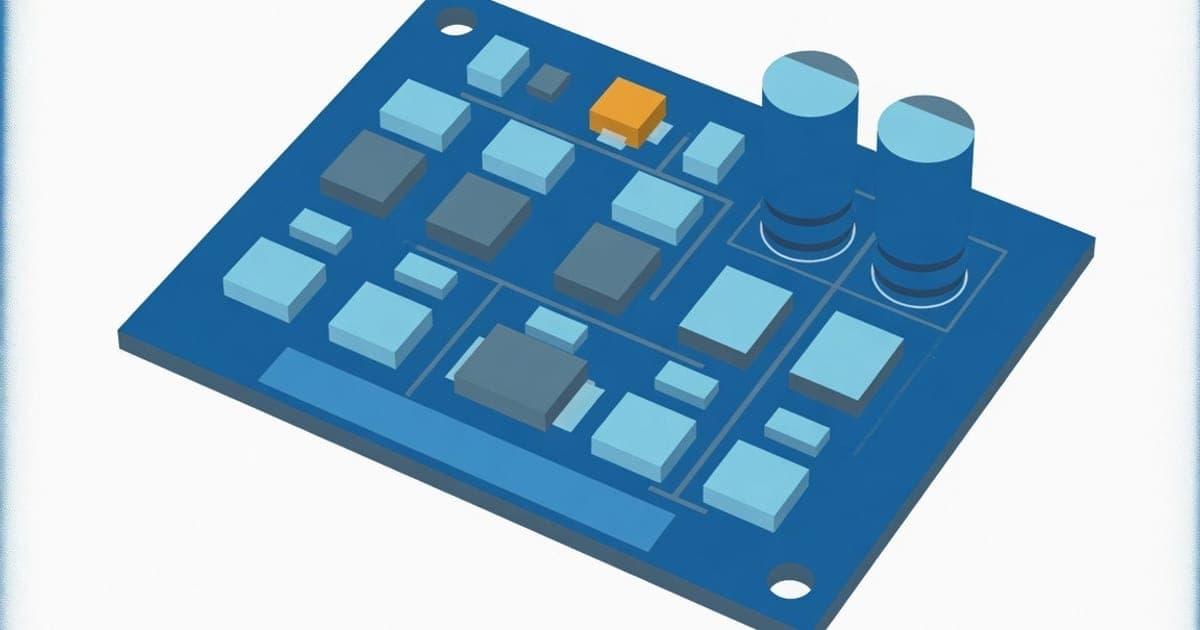
Modern split systems carry at least two circuit boards: a main control board in the indoor unit that reads the remote control or wall controller, runs the display, and manages the fan and louvres, and a power or inverter board in the outdoor unit that drives the compressor and outdoor fan, converting mains power into the variable-frequency signal an inverter compressor needs to modulate its speed. A fault on either board can present as the unit simply not turning on, running but not cooling, or displaying an error code and shutting itself down as a protective measure.
Reading the error code before you call anyone
Most manufacturers, including Daikin, Mitsubishi Electric, Fujitsu, Panasonic and LG, use blinking LED patterns or on-screen error codes to indicate a specific fault category, and the code is usually visible either on the indoor unit's display or as a count of LED flashes if there is no screen. Look up the exact code against the model number rather than a generic list, because code numbering is not standardised across brands: an E6 on one manufacturer's system means something entirely different from an E6 on another's. Communication errors between the indoor and outdoor boards are among the most common codes reported, and they can stem from a genuine board fault, a damaged signal cable, or a poor connection at either end, so the code narrows the search rather than confirming the diagnosis outright.
The most common failure causes
Power surges from lightning strikes or unstable mains supply are the single most frequent cause of outdoor unit board failures in Australia, particularly in regions prone to summer storms, and this is why a dedicated surge protector on the circuit is cheap insurance for an expensive unit. Dry or cracked solder joints from years of thermal cycling, the board heating and cooling repeatedly as the compressor starts and stops, cause a slow, intermittent fault that can be maddening to diagnose because the unit works fine some days and faults on others. Bulging or leaking capacitors, especially on outdoor boards that run hot in direct sun, are a visible and fairly reliable sign of an aging board nearing failure. Moisture ingress, particularly in coastal and high-humidity regions or where a cabinet seal has degraded, causes corrosion on the board traces that eventually opens a circuit or shorts two adjacent tracks.
Why this matters when buying used
A used unit with a documented history of "an electronics issue that got fixed" is not automatically a red flag, boards do fail on otherwise sound units, but it is worth asking specifically whether the board was replaced with a genuine manufacturer part or a generic aftermarket equivalent, since compatibility and reliability both vary. If you are inspecting a used condenser before buying, open a conversation about board history at the same time you are asking about compressor age and service records, because the two conversations naturally overlap.
What a professional board swap actually involves
Replacing a control or inverter board is licensed electrical work, and on the outdoor inverter board specifically it often also touches the refrigerant circuit's safety interlocks, which puts it squarely in the territory that requires the same ARC refrigerant handling licence required for any work near the sealed system. A technician will typically isolate power, discharge any stored capacitor charge safely, note down every wiring position with a photo before disconnecting anything, fit the replacement board, and then run the unit through its self-test or commissioning sequence to confirm the fault has cleared and no secondary fault appears. Genuine manufacturer boards are usually programmed or paired to the specific model, and occasionally the specific unit, so a mismatched or non-genuine board can cause new faults even once physically fitted correctly.
Cost expectations
Board replacement cost varies widely by brand and board type, from a relatively modest sum for a simple indoor control board on an older residential split system to a substantial cost for a genuine outdoor inverter power board on a larger ducted system, sometimes approaching a meaningful fraction of a new unit's price on premium brands. This is worth weighing against the unit's overall age and condition: a board fault on an otherwise young, well-maintained unit is almost always worth fixing, while the same fault on a unit already near the end of its expected compressor life is a genuine point to consider replacement instead.
Preventing the common causes
A dedicated surge protector, keeping the outdoor unit's cabinet seals and drainage clear so moisture cannot pool near the board, and a proper annual service that includes a visual inspection of both boards for early signs of capacitor bulging or corrosion, are all inexpensive steps that meaningfully reduce the chance of an unexpected board failure. If you are weighing up a used unit from the marketplace with any electronics history at all, ask for these preventative details specifically, since a seller who has already fitted surge protection and kept up regular servicing is telling you something useful about how the rest of the unit has been looked after too.