Buying a Used Ducted Air Conditioner Without Getting Burned
4 min read
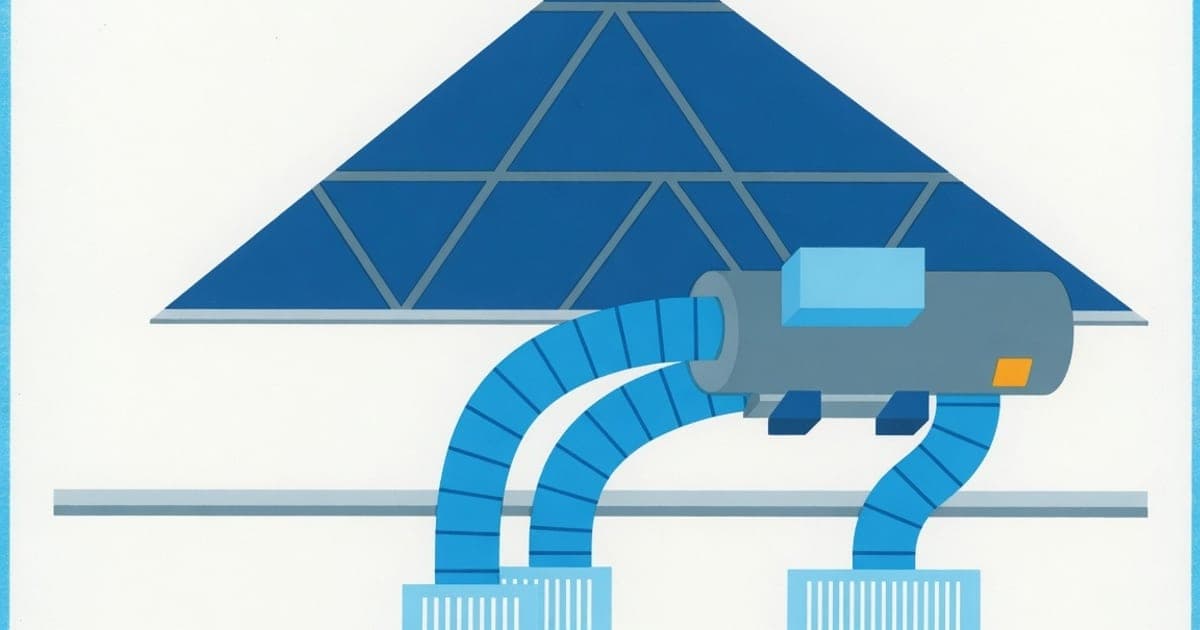
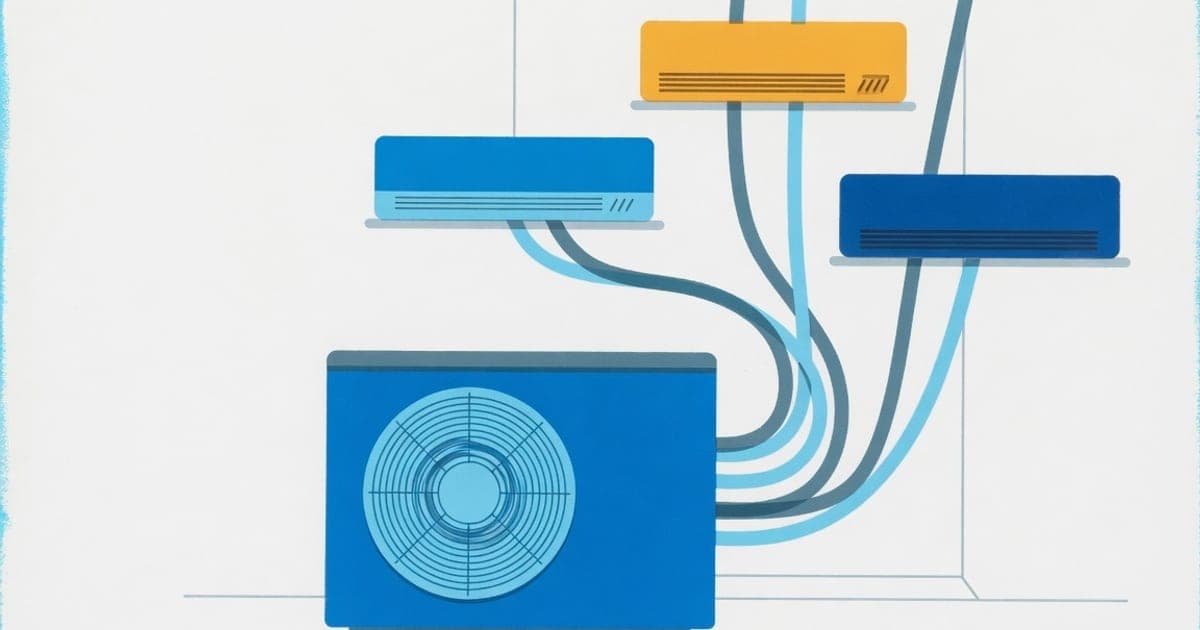
Ducted air conditioning is one of the more expensive things you can buy for a house, which is exactly why a used system at a fraction of new pricing is tempting, and exactly why buying one badly can turn into a very costly mistake. Unlike a wall split, a ducted system is a whole network: an indoor fan coil unit sitting in the roof space, an outdoor condenser, a full run of insulated flexible duct to every zone, motorised zone dampers, and a wall controller running the logic across all of it. A used ducted system rarely comes as a simple unbolt-and-relocate job, so the checklist here is different from buying a single split.
Start with why it is being sold
Ducted systems get pulled out for three common reasons: a renovation or demolition where the house is going but the system still works, an upgrade to a bigger or more efficient unit, or a fault the seller does not want to pay to fix. The first two are genuinely good buying opportunities. The third is where people lose money. Ask directly, and ask again if the answer is vague. A seller doing a kitchen renovation who is pulling out a five-year-old ducted system to make way for new ceiling design is a very different proposition to someone who says the unit "just needs a bit of gas" or "the fan's been a bit noisy lately."
Age and remaining compressor life
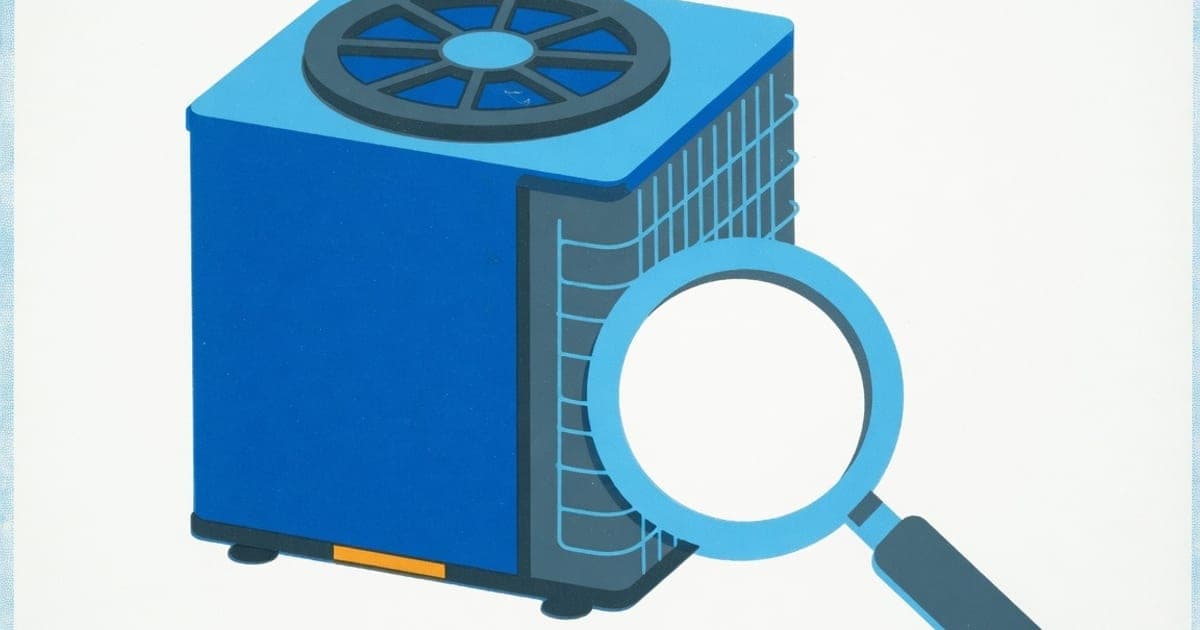
Ducted compressors are built for a long service life, typically 12 to 18 years under normal residential use, but that number assumes reasonable maintenance and a system that has not been run hard in a harsh climate. Ask for the model and serial number and look up the manufacture date, which is usually encoded in the serial rather than printed as a plain date. A unit under seven years old with a clean service history is a genuinely good buy. Anything over twelve years old needs a much harder look at what a healthy condenser should sound and look like before you commit, because the compressor is the single most expensive part to replace and it is not something you can inspect by eye alone.
The reinstall cost is the real price, not the sale price
This is where buyers most often get caught out. A used ducted system advertised at a bargain price still needs an ARC-licensed technician to disconnect it from the seller's house, a full new duct run sized and fitted to your roof space (used ducting is rarely worth reusing once it has been cut to fit somewhere else), reconnection of refrigerant lines with a full evacuation and regas, new zone dampers if the layout differs, and an electrician for the circuit. Get a firm reinstall quote before you buy the unit, not after, because the labour and materials for a full reinstall commonly cost more than the used unit itself. A system that looks like an $8,000 saving on paper can easily become a $2,000 saving once installation is priced properly, which may still be worth it, but you want to know that number before you hand over a deposit.
Sizing has to work for your new house, not the old one
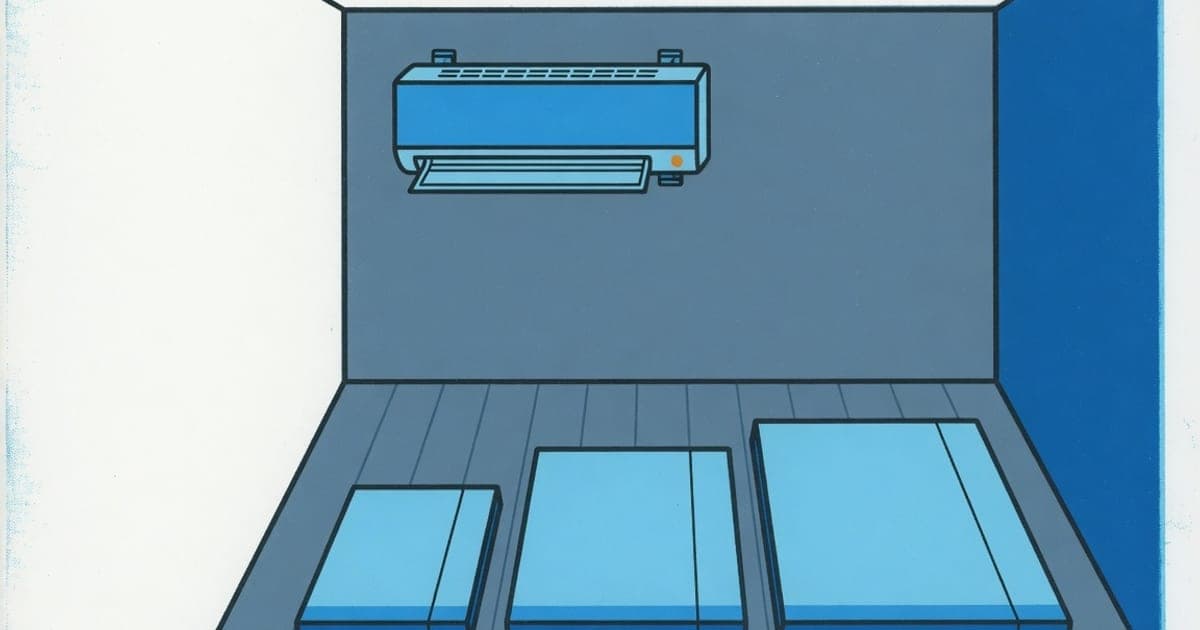
A ducted system is designed around the specific floor plan, ceiling height, insulation, glazing and zoning of the house it was installed in. Buying a used system sized for a different, often larger or smaller, house is one of the most common ducted-buying mistakes. Run the numbers yourself using the same kW sizing method used for split systems applied room by room across your zones, then compare that total against the outdoor unit's rated capacity. An undersized ducted system runs constantly and struggles on extreme days; an oversized one short-cycles, which is hard on the compressor and leaves rooms clammy because it satisfies the thermostat before it has properly dehumidified the air.
Inspect the fan coil unit, not just the outdoor unit
Buyers fixate on the outdoor condenser because it is easy to see, but the indoor fan coil unit hidden in the roof space deserves equal attention. Ask for photos or, better, a roof space inspection: check for water staining on the drain tray and insulation (a sign the condensate drain has blocked and overflowed at some point), corrosion on the coil fins, and a fan motor that runs smoothly without grinding or excess vibration. A fan coil unit that has been sitting in a hot, humid roof space for over a decade with a clogged filter works harder than one that has been serviced regularly, even if both units are the same age.
What to ask the seller directly
Get the service history in writing if it exists, ask when it was last regassed and by whom, ask whether any error codes have shown on the wall controller recently, and ask whether all the original zone dampers and the controller are included, because a controller from a different model range is often incompatible and an extra cost. If the system has PCB or control board history, get specifics rather than a vague "it's had a couple of little issues."
Budget for a proper handover service
Whatever the seller tells you, budget for an independent pre-purchase or post-install service by your own licensed technician: a full electrical and refrigerant check, a filter and coil clean, and confirmation the system holds pressure with no slow leak. This single service call, typically a few hundred dollars, is the cheapest insurance you will buy in the entire transaction, and it gives you a documented baseline if anything goes wrong in the first few months. Browse ducted systems currently listed with this checklist in hand, and treat the advertised price as the opening figure in a bigger sum, not the whole cost of the job.