Refrigerant Licensing and Safe Handling in Australia (ARC Explained)
5 min read
Anyone who has priced up an air conditioner service and wondered why a seemingly simple job costs what it does has run into the refrigerant licensing system, a Commonwealth-level requirement that exists for genuinely good reasons and that shapes almost every practical decision around buying, servicing and repairing air conditioning equipment in Australia.
What the ARC licence actually covers
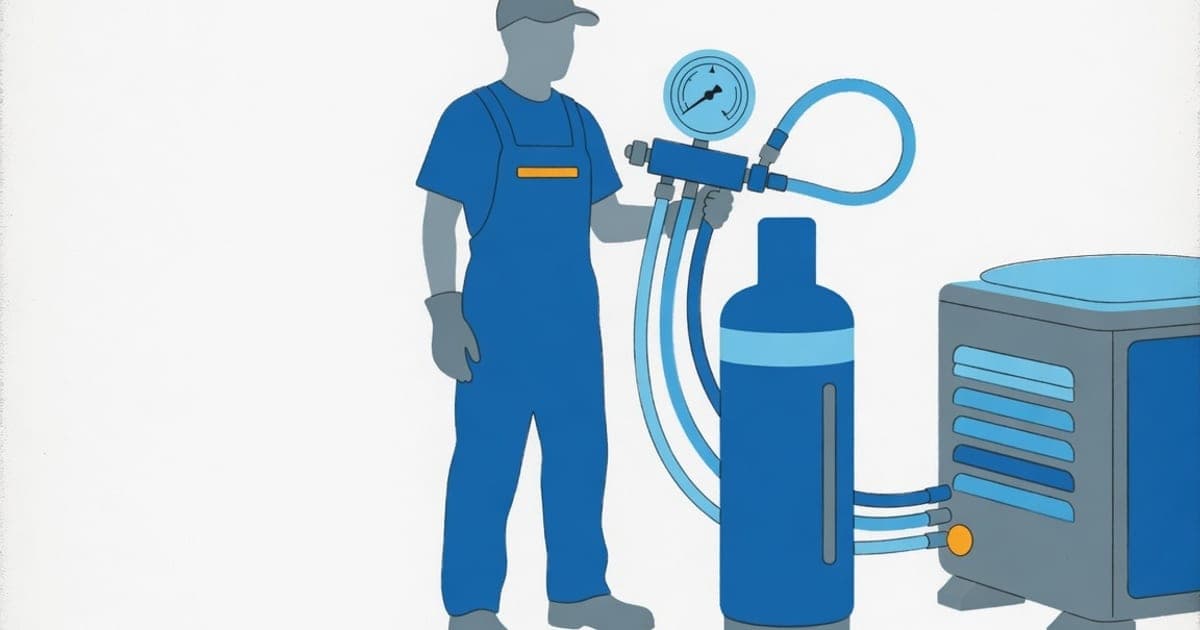
The Australian Refrigeration Council administers the licensing scheme under Commonwealth ozone protection and synthetic greenhouse gas legislation, and it requires anyone who handles refrigerant, meaning connecting to, recovering from, or charging the sealed refrigerant circuit of an air conditioner, to hold a current Refrigerant Handling Licence. This is separate from, and in addition to, an electrical licence: a qualified electrician cannot legally regas a split system without also holding refrigerant handling accreditation, and a refrigeration technician working on the sealed circuit still needs an appropriately licensed electrician for mains wiring work outside their own scope. The two qualifications overlap in the same technician in most trade businesses, but they are legally distinct requirements.
Why the licence exists
Refrigerants are not inert substances to be vented into the atmosphere casually. As covered in the comparison between R32 and R410A, even the newer, lower-impact refrigerants have a global warming potential many hundreds of times that of carbon dioxide, and older refrigerants still in service in some older equipment carry ozone-depletion potential on top of that. The licensing scheme exists to ensure refrigerant is recovered rather than vented during service and disposal, that equipment is charged correctly to the manufacturer's specification rather than guessed at, and that technicians handling pressurised, sometimes mildly flammable, gas have been trained in safe brazing, recovery and leak-testing procedures. This is consumer protection and environmental protection working through the same requirement.
What this means for DIY
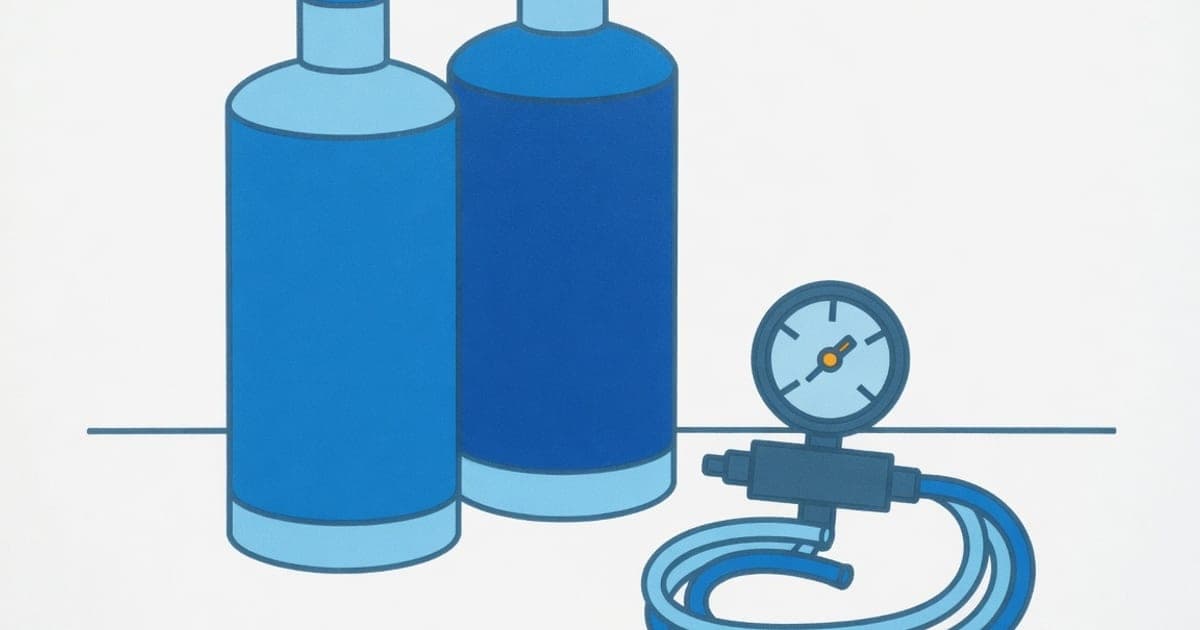
Topping up your own split system's gas, even if you own a set of gauges and a cylinder, is illegal without the licence, not merely inadvisable. Beyond the legal exposure, DIY refrigerant work carries real practical risk: overcharging a system reduces efficiency and can damage the compressor, undercharging causes it to run hot and short its life, and improper recovery releases refrigerant to atmosphere, which is exactly what the licensing scheme is designed to prevent. If a unit needs gas, that is a job for a licensed technician, full stop, regardless of how straightforward it looks on paper or how many online guides suggest otherwise.
What buyers and owners can safely do themselves
The licensing requirement covers the sealed refrigerant circuit specifically, not general maintenance. Cleaning or replacing air filters, keeping the outdoor unit's coil free of leaves and debris, clearing a blocked condensate drain line where it is externally accessible, and general visual inspection are all things an owner can reasonably do without a licence. Knowing this boundary is useful when inspecting a used condenser before purchase: you can and should check filters, listen to the unit running, and look for visible corrosion or oil staining yourself, but confirming refrigerant pressure or charge level requires a licensed technician with gauges connected to the system.
How this affects installation and used unit purchases
Any relocation or reinstallation of an air conditioner, including a used unit bought privately and moved to a new address, requires a licensed technician to disconnect and reconnect the refrigerant circuit, including a full evacuation and pressure test before recharging. This is one of the real costs buyers underestimate when budgeting for a used ducted or split system, and it is not a cost that can legally be avoided by doing it yourself, regardless of DIY confidence or online tutorials suggesting otherwise.
Checking a technician's licence
Consumers can verify a technician's current ARC licence status directly through the Australian Refrigeration Council, and it is reasonable to ask for a licence number before work begins, particularly for a larger job like a full system replacement or reinstallation. This is especially worth doing when engaging a tradesperson found through a casual referral or an online marketplace rather than an established local business with a visible trading history, since a licence check takes a couple of minutes and protects both the legality of the work and any manufacturer warranty attached to the equipment.
Warranty implications
Manufacturer warranties on air conditioning equipment typically require installation and any refrigerant work to be carried out by an appropriately licensed technician, and unlicensed work, even if functionally competent, is grounds for a warranty claim to be denied. This matters directly for anyone buying a unit from the marketplace that is still within its original manufacturer warranty period: keep the installation and service paperwork from a licensed technician, because it is the evidence that protects the warranty if something does go wrong later.
What happens if unlicensed work is discovered later
Beyond the immediate warranty risk, unlicensed refrigerant work can complicate an insurance claim if a later electrical or fire incident is traced back to the installation, since insurers increasingly ask for compliance documentation as part of any claim involving fixed appliances. It can also become a real problem at sale time: a body corporate, a strata manager or a buyer's building inspector may ask for compliance certificates on a ducted or multi-head system before settlement, and a gap in that paperwork is the kind of thing that stalls a sale at the worst possible moment. If you are buying a property with existing air conditioning and the paperwork is missing, it is worth getting a licensed technician to inspect and, if needed, re-certify the installation before you rely on the warranty or resell the home down the track.
The bottom line
The licensing system around refrigerant handling exists to keep both people and the atmosphere safer, and it draws a clear, sensible line between what an owner can reasonably do themselves and what genuinely needs a qualified professional. Respecting that line, and checking a technician actually holds current accreditation, is a small amount of diligence that protects your warranty, your equipment, and, in the case of a slow leak left unaddressed, the environment as well.