How to Check a Second-Hand Condenser Before You Buy It
4 min read
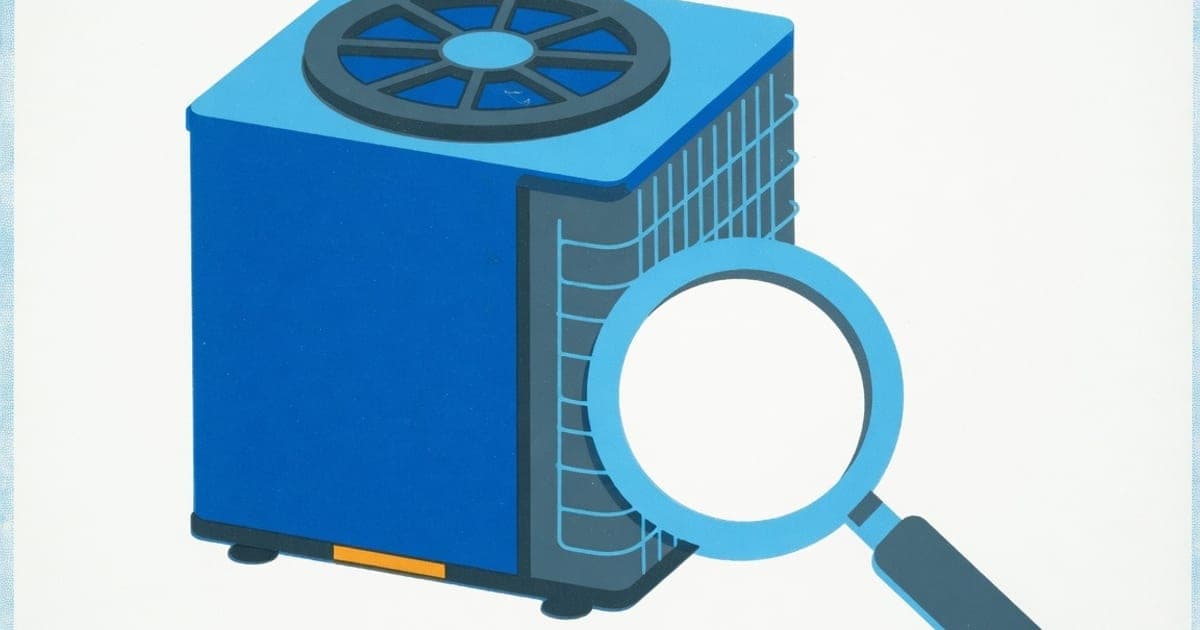
The outdoor condenser unit is where most of the money in a split or ducted system actually sits, since the compressor inside it is the single most expensive component to replace, and it is also the part buyers inspect least carefully because it is bulky, sits outdoors, and looks broadly the same whether it has three years of life left or fifteen. A proper condenser inspection takes twenty minutes and can save you from buying someone else's expensive problem.
Start with a visual check of the cabinet and coil
Walk around the unit and look at the fin coil, the fine aluminium fins wrapped around copper tubing that make up the bulk of the outdoor unit's visible surface. Bent or crushed fins from a knock or careless pressure washing reduce airflow and efficiency but are not usually a dealbreaker on their own; a fin comb can straighten minor damage. White or green corrosion on the fins, particularly in coastal properties where salt air accelerates it, is more serious and can indicate a coil nearing the end of its service life. Check the base of the cabinet and the area around the pipe connections for a dark, oily residue, which is one of the more reliable visual signs of a slow refrigerant leak at a joint, since compressor oil travels with refrigerant and leaves a stain where it has been escaping.
Listen to it running, not just look at it
If at all possible, ask the seller to run the unit before you buy, or at minimum before the deal is finalised. A healthy compressor has a steady hum with a soft mechanical undertone; a compressor that is failing often produces a distinct rattle, a harsh grinding, or a noticeably louder hum than a comparable healthy unit nearby. Listen also for the outdoor fan: a dry or worn fan motor bearing produces an audible whine or clicking that is a cheap fix on its own but worth knowing about and factoring into your offer. Pay attention to how the unit starts: a hard clunk followed by a struggling hum on startup can indicate a weakening compressor or a failing start capacitor, both of which are diagnosable issues but neither of which you want as a surprise after the sale.
Check the age against the model and serial number
Every condenser carries a rating plate, usually on the side or back of the cabinet, with a model and serial number that encodes the manufacture date, typically in a format specific to that brand. Cross-reference this against what the seller has told you about the unit's age; a mismatch is not necessarily deception, sellers misremember installation dates constantly, but it is worth resolving before you commit, particularly because compressor life expectancy is one of the biggest single factors in whether the unit is a good buy at the asking price.
Ask about refrigerant type and service history
Confirm which refrigerant the unit runs, since this affects what a technician needs to bring to service it and can be a useful cross-check against the unit's age, as R32 has been the dominant standard in new equipment only since around 2019. Ask when the unit was last regassed or serviced and, ideally, request any invoices, because a documented service history from a licensed technician is worth more than any amount of seller reassurance. A unit that has never been serviced in ten years of operation is a meaningfully higher-risk buy than one with a consistent annual service record, even if both look identical sitting in the yard.
Electrical and control checks
If you can access the outdoor isolator switch and the unit's wiring, a quick visual check for scorched or discoloured terminals can flag a history of loose connections or overheating, both of which point toward potential control board issues. Ask whether the unit has ever displayed an error code, and if so, what it was and how it was resolved; a vague "it fixed itself" answer is worth following up rather than accepting at face value.
What a professional pre-purchase check adds
Everything above can be done by eye and ear without tools, but it cannot tell you the refrigerant pressure, the compressor's actual amp draw under load, or whether there is a slow leak too small to see visually. A licensed technician can run these checks in under an hour for a modest call-out fee, and for any unit above a few hundred dollars in asking price, this is money well spent before you finalise the purchase, not after you have already paid and arranged removal. Only someone holding a current ARC refrigerant handling licence is legally permitted to connect gauges to the sealed system regardless of how minor the check seems, so this is not a step to attempt yourself even if you own the right equipment.
Putting it together before you buy
Treat the condenser inspection as the deciding factor in any used unit purchase, ahead of cosmetic condition or even price, because a clean-looking cabinet tells you almost nothing about what is happening inside the compressor housing. A seller who is comfortable with you running the unit, checking the rating plate, and asking detailed service history questions is usually selling in good faith; genuine reluctance on any of these points is a signal worth taking seriously. Once you are satisfied with the condenser itself, work through the same diligence on the indoor unit and, for a ducted system, the ductwork, before you commit to any listing on the marketplace.